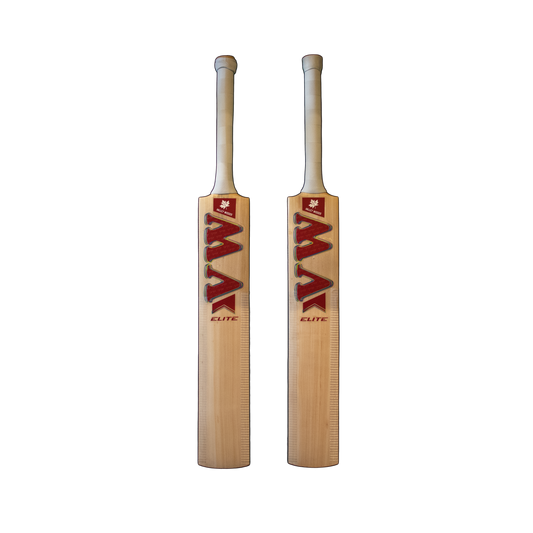
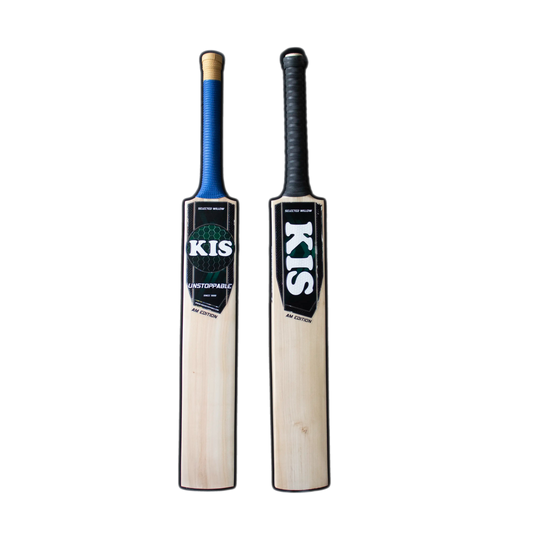
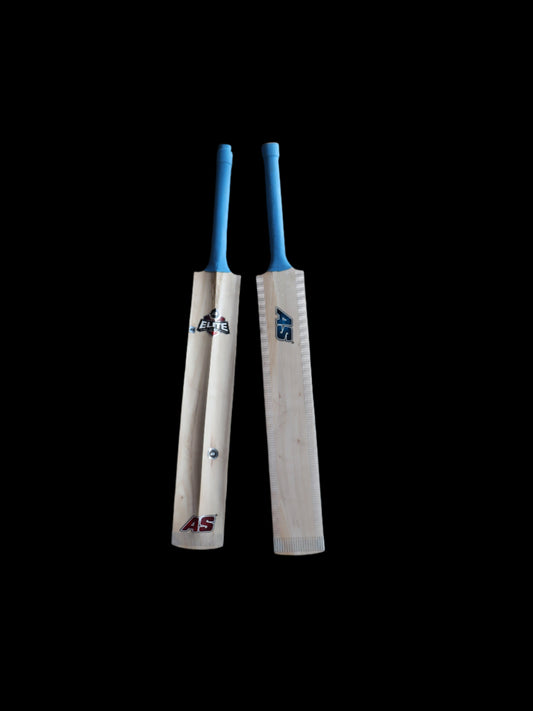
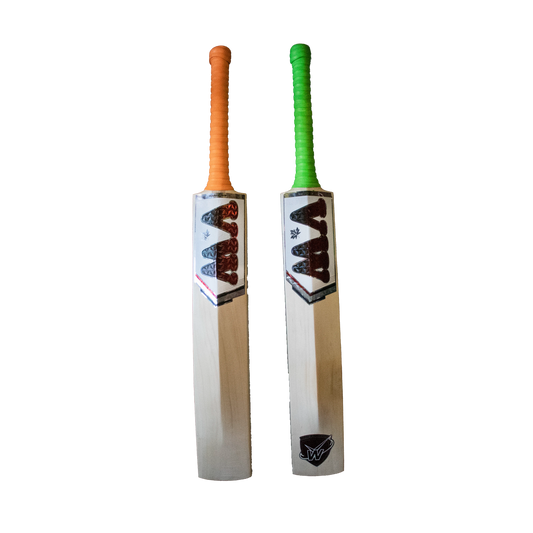
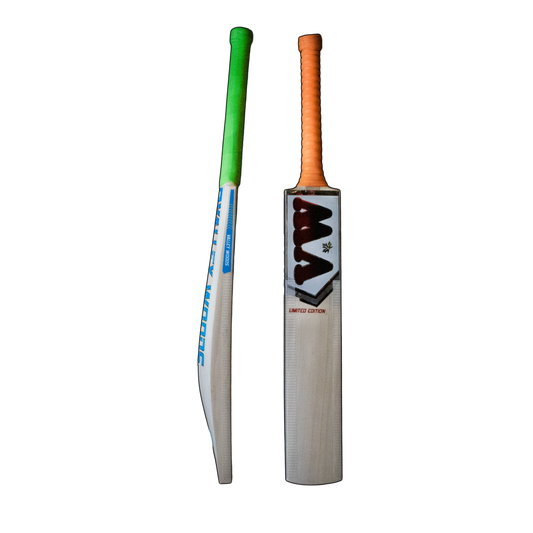
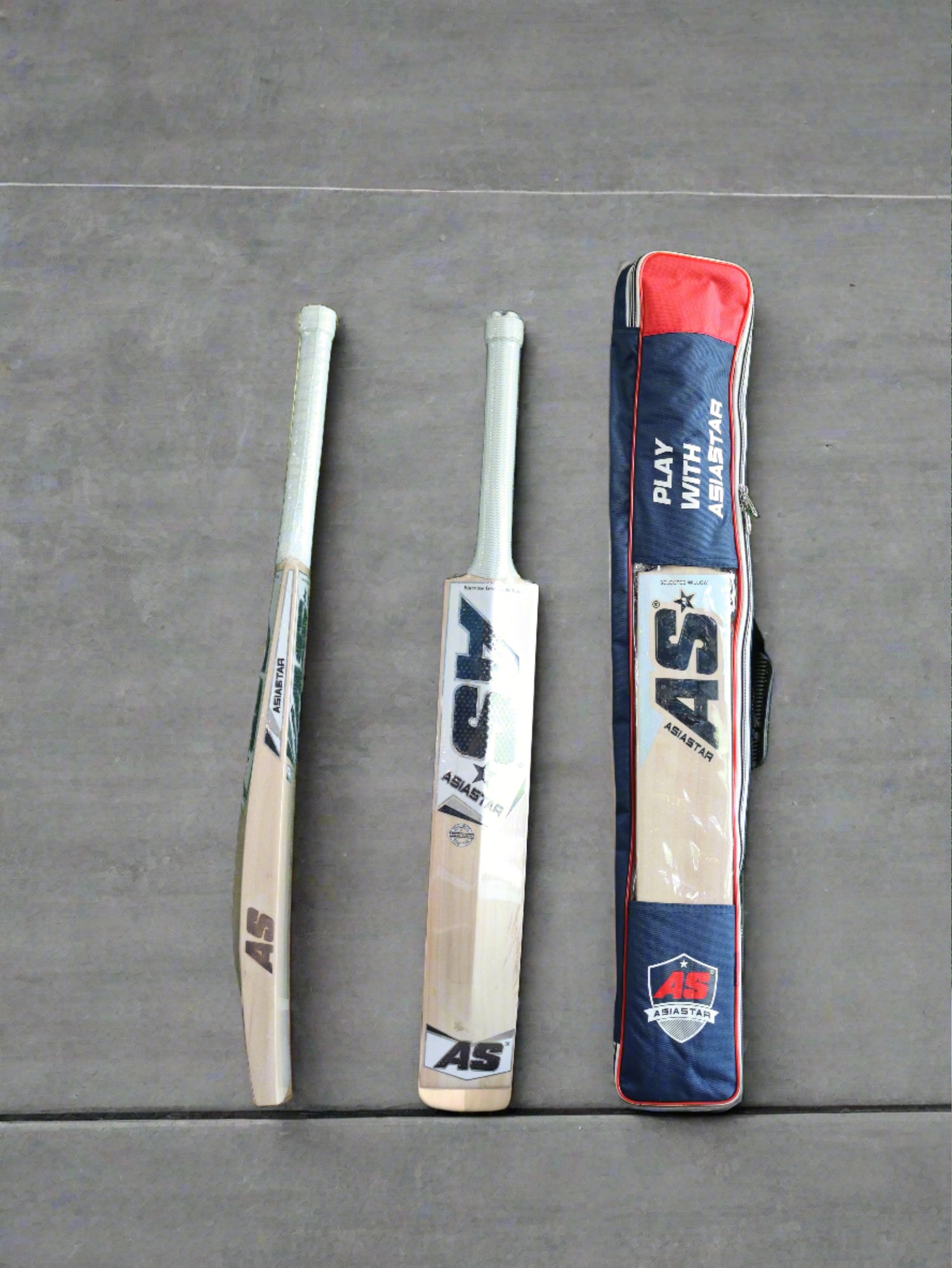
Choosing the wrong bat for your game is one of the most common — and costly — mistakes a cricketer can make. Whether you play gully cricket with a hard tennis ball or represent your club with a leather ball, the bat you use makes a significant difference in performance, durability, and value for money.
This guide breaks down everything you need to know before buying.
What Is a Hard Tennis Ball Bat?
A hard tennis ball bat is specifically engineered for playing with a rubber-coated hard tennis ball — the most popular format of cricket played across India, from rooftop matches to corporate tournaments.
Key characteristics:
- Heavier blade with a thick, high spine to withstand the impact of a hard rubber ball
- No toe protection needed — the ball doesn't damage the wood the way a leather ball does
- No oiling or knocking-in required — ready to play straight out of the box
- Made from Kashmir Willow — dense, durable, and ideal for the repeated impact of a hard tennis ball
- Lower price point — excellent value for recreational and semi-competitive players
🏏 Browse our Hard Tennis Bats collection — Kashmir Willow bats built for hard tennis ball cricket.
What Is a Leather Ball Bat?
A leather ball bat is crafted for use with a traditional red or white leather cricket ball — the format used in club, district, state, and professional cricket.
Key characteristics:
- Pressed and knocked-in blade — the willow fibres are compressed to handle the hard leather ball without cracking
- Requires oiling and knocking-in before first use (see our bat care guide)
- Available in Kashmir Willow and English Willow — each suited to different budgets and playing levels
- Lighter pick-up with a defined sweet spot — engineered for timing and stroke play
- Higher investment — especially for English Willow grades
🏏 Explore our Kashmir Willow Leather Ball Bats — top-rated picks for club and competitive cricket.
Head-to-Head Comparison
| Feature | Hard Tennis Ball Bat | Leather Ball Bat |
|---|---|---|
| Ball type | Hard rubber tennis ball | Leather cricket ball |
| Wood | Kashmir Willow | Kashmir Willow / English Willow |
| Weight | Heavier (800–1000g) | Lighter (1100–1250g with handle) |
| Knocking-in required | ❌ No | ✅ Yes |
| Oiling required | ❌ No | ✅ Yes |
| Durability | High for tennis ball use | High when maintained properly |
| Price range | ₹500 – ₹3,500 | ₹1,500 – ₹25,000+ |
| Best for | Gully, box, tape-ball cricket | Club, district, competitive cricket |
Kashmir Willow vs English Willow for Leather Ball
If you're buying a leather ball bat, you'll face a second choice: Kashmir Willow or English Willow?
- Kashmir Willow is denser and more durable, making it ideal for Indian pitches and recreational to semi-professional play. It offers excellent value — our Best Selling Kashmir Willow Bats are a great starting point.
- English Willow is lighter with a softer grain structure, preferred by professional and high-performance players for its superior pick-up and stroke response.
⚠️ Buyer beware: The Indian market has a well-documented problem of top-grade Kashmir Willow bats being sold as English Willow. Read our article on uncovering this scam before you buy from an unknown seller.
Which Bat Should You Buy?
Choose a Hard Tennis Ball Bat if:
- You play gully, box, or hard tennis ball cricket
- You want a ready-to-play bat with zero maintenance
- Your budget is under ₹3,500
- You play 3–5 times a week on concrete or matting
Choose a Leather Ball Bat if:
- You play club, school, or competitive cricket with a leather ball
- You're willing to invest time in knocking-in and oiling
- You want a bat that improves your timing and stroke play
- Your budget allows ₹2,000 and above
Final Word
The best bat is the one that matches your game format. Don't buy a leather ball bat for tennis ball cricket — it will crack. And don't use a tennis ball bat in a leather ball match — it won't give you the performance you need.
At Made in Kashmir, every bat is sourced directly from Kashmir's willow workshops — no middlemen, no grade fraud. Shop with confidence.